
 GLP-1 medications like Ozempic and Wegovy have changed the conversation around weight in a big way. For many patients, these medications have delivered results that diet and exercise alone couldn’t.
But as more people reach their goal weight through these medications, a new set of questions is emerging, the most common one being: now that the weight is gone, what do I do about my skin? It’s a common question we’re getting at Campanile Plastic Surgery, and Dr. Campanile has seen some common trends emerge for this patient base.
What GLP-1 Medications Do (and Don’t Do)
GLP-1 receptor agonists work by suppressing appetite and slowing digestion, which leads to a significant reduction in caloric intake over time. For men and women who have struggled with obesity for years, the results can be remarkable, with some losing 50 or more pounds within a relatively short window.
What these medications can’t do, however, is account for what happens to the skin during that process. Skin that has been stretched over time loses elasticity, and when the volume beneath it decreases rapidly, it doesn’t always snap back. The faster the weight loss, the less opportunity the skin has to adapt.
What Dr. Campanile Is Seeing in the Consult Room
At Campanile Plastic Surgery, we’re seeing a growing number of patients who have successfully used GLP-1 medications to lose significant weight and are now seeking help with the physical changes that followed. The most common concerns include:
- Loose, hanging skin on the abdomen
- Skin laxity on the arms and thighs.
- Changes in breast volume and shape.
- Loss of facial volume.
What Can Be Done
The good news is that body contouring surgery is specifically designed to address these concerns. Procedures like a tummy tuck or Dr. Campanile’s signature C.L.A.S.S. Tummy Tuck™ remove excess abdominal skin and tighten the underlying muscles, creating a smoother, firmer contour that weight loss alone can’t achieve.
For those with concerns across multiple areas, a body lift or mommy makeover-style combination approach can address several areas in a single surgical plan. Liposuction can also help to refine contour in areas where stubborn fat remains despite medication-assisted weight loss.
For facial changes, injectable fillers can restore lost volume and help patients look as healthy as they feel.
Getting the Timing Right
One of the most important things we discuss with GLP-1 patients is timing. Surgery is most effective and safest when weight has been stable for a significant period of time, typically six months to a year. Operating on a body that is still actively losing weight can compromise results, since further changes in volume may affect how skin and tissue settle after surgery.
Patients who are still on GLP-1 medications will also want to discuss this with both their prescribing physician and Dr. Campanile before moving forward, as there are considerations around nutrition, healing and anesthesia that factor into surgical planning.
You Did the Hard Part
Reaching a significant weight loss goal, whether through medication, surgery, lifestyle change or some combination, is a real accomplishment. While the skin changes that follow rapid weight loss are a physical reality, there are several cosmetic procedures that can help your body catch up with how far you’ve come.
If you’re curious about what’s possible after GLP-1-assisted weight loss, we’re here to help. To schedule a consultation with Dr. Campanile at our Denver office, call 303-345-7476 or contact us online today.
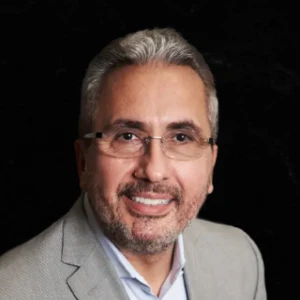
Author: Dr. Francesco Campanile
Board-certified by the American Board of Plastic Surgery, Dr. Francesco Campanile is a cosmetic surgeon in Denver who is focused on body contouring and breast enhancement. Time and time again, the women and men who choose Dr. Campanile say that they’ve found “the whole package” – a doctor who cares deeply about the quality of their results and has the skill to achieve excellence.


