

About Liposuction
Almost everyone has a few lumps and bumps — whether in the form of love handles, saddlebags or a belly pooch — that they wish they could slim down. With liposuction, you can make that wish a reality. Dr. Francesco Campanile is a liposuction specialist and board-certified plastic surgeon with over 25 years of experience helping people achieve their best body contours.
Liposuction can improve the appearance of almost any area of the body, including the tummy, hips, waist, thighs, back, neck, chin area and upper arms. While it’s common for people to want to slim down several places at once, liposuction can also be just as effective for treating a single trouble spot.
You often hear that cosmetic surgery is a blend of art and science, and this is certainly true when it comes to liposuction. A top liposuction surgeon in the Denver, CO area, Dr. Campanile customizes each liposuction procedure, using his extensive medical training and the artistic eye he’s developed over thousands of procedures to help each person achieve their ideal outcome.
Top 3 Reasons to Choose Us
-
Dr. Francesco Campanile is a board-certified plastic surgeon with over two decades of experience and advanced training with a specialty focus on body contouring.
-
In addition to traditional tumescent liposuction, Dr. Campanile also offers ultrasound-assisted liposuction, also known as VASERlipo® or LipoSelection®, an innovative technique that uses ultrasonic energy for greater precision.
-
At Campanile Plastic Surgery, we also offer a nonsurgical body contouring option called VelaShape™ III, so you can make the choice that’s best for you.
Request a Consultation
The first step in achieving your ideal figure is scheduling your consultation with Dr. Campanile. Contact us today to get started! We look forward to helping you feel great about your body.
Real Patient Photos
View before and after photos of real patients whom Dr. Campanile has been able to help through liposuction.


Sensitive Content
These before and after photos contain nudity. Please click/tap to view the images.
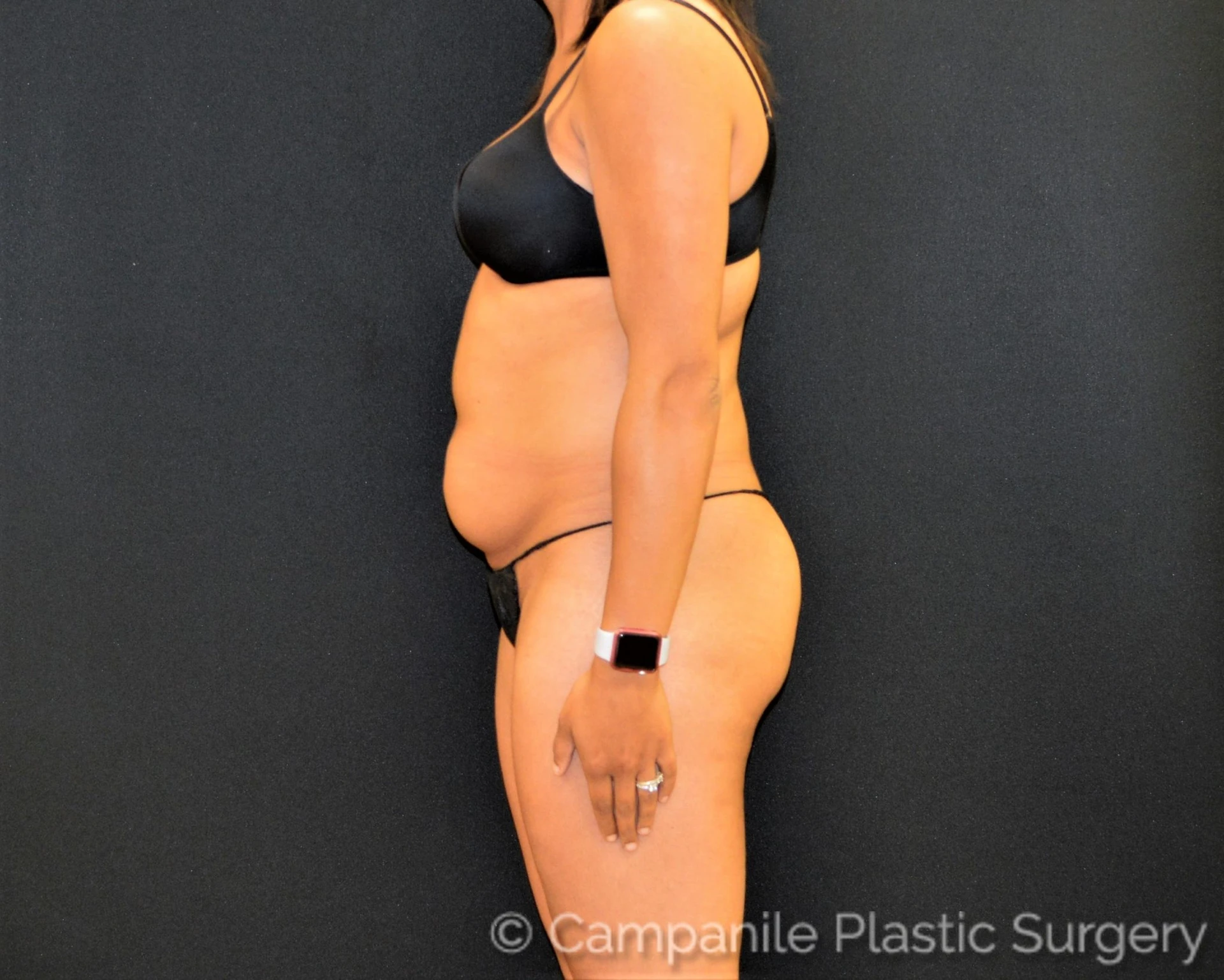
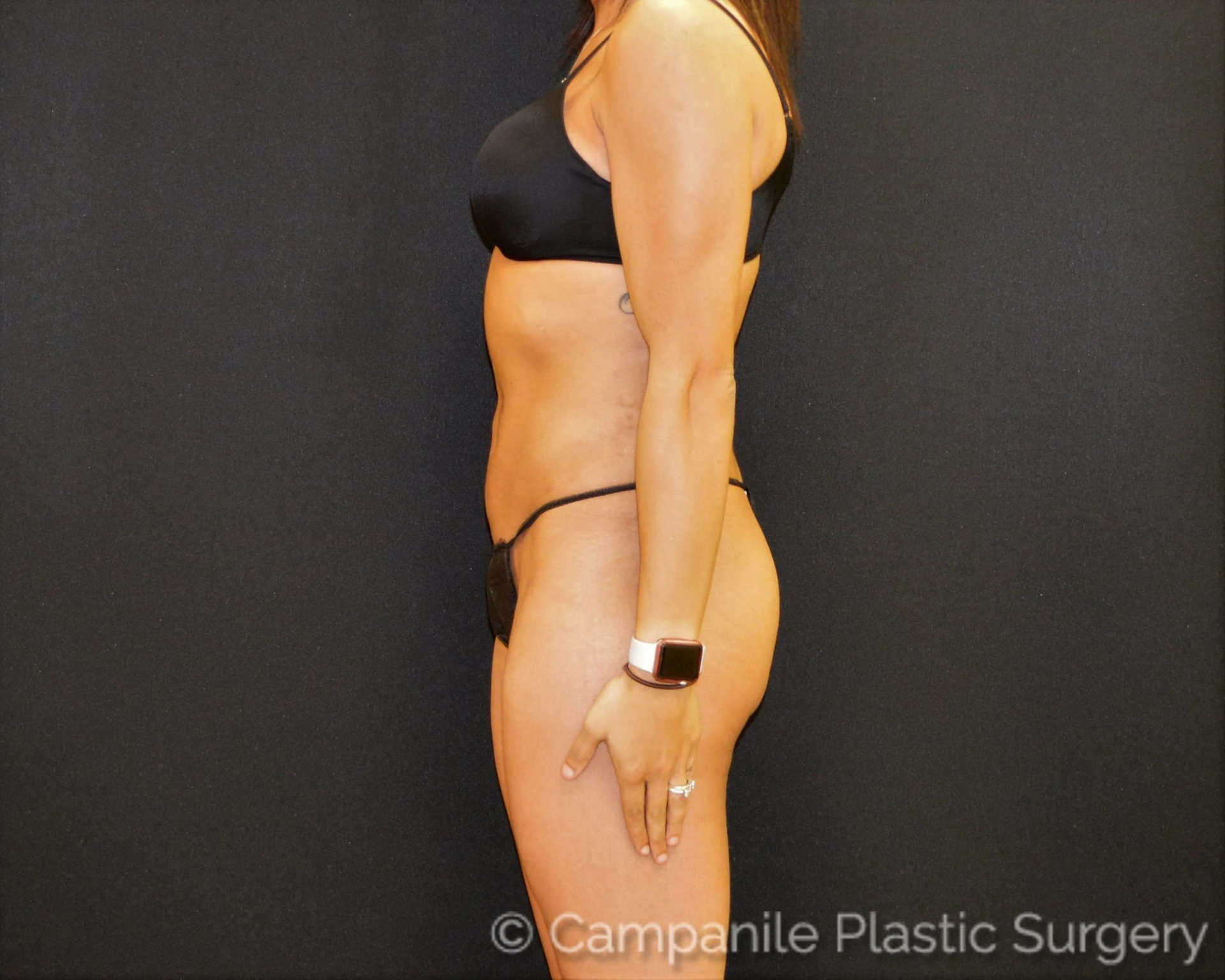
Sensitive Content
These before and after photos contain nudity. Please click/tap to view the images.

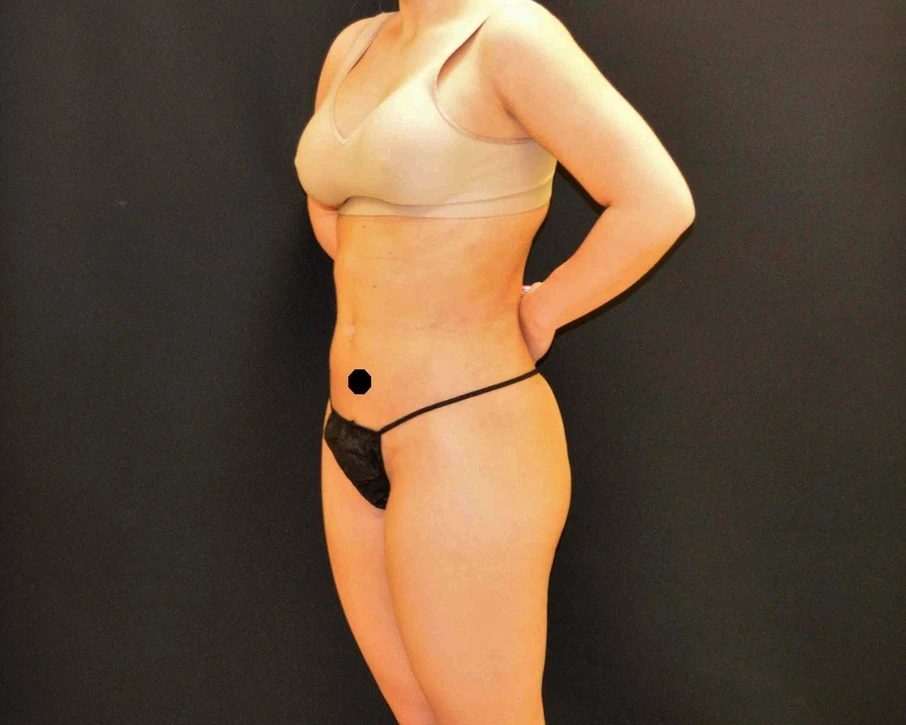
Sensitive Content
These before and after photos contain nudity. Please click/tap to view the images.


Sensitive Content
These before and after photos contain nudity. Please click/tap to view the images.
Am I a Candidate for Liposuction?
Ideal candidates for liposuction will have realistic expectations about their results and understand that liposuction is not a weight loss procedure, but rather a body contouring tool that can address smaller areas of stubborn fat. Because of this, Dr. Campanile generally recommends that his Denver patients come within 30 pounds of their ideal body weight before moving forward with liposuction.
Other factors that can influence your candidacy for liposuction include:
- Being in good physical and mental health.
- Having a BMI of 30 or under.
- Maintaining a stable, healthy weight and not yo-yo dieting.
- Not smoking.
- Having elastic skin that is likely to “snap” back into place after lipo.
Liposuction Treatment Areas
Liposuction can treat nearly any area of the face or body, including the:
- Abdomen
- Hips
- Waist
- Chest
- Back
- Thighs
- Upper arms
- Neck and chin
A consultation with Dr. Campanile will help you choose the best areas to treat with liposuction to address all of your cosmetic concerns and achieve your desired result.

Your Liposuction Consultation
Your liposuction consultation is your time to explain your specific goals and needs and, together with Dr. Campanile, create a personalized surgical plan that’s right for you. To facilitate this, Dr. Campanile will take a look at your medical history, perform a physical exam and carefully listen to your goals. During this time, he will also explain your liposuction options and what to expect before, during and after your procedure.
This is also an excellent opportunity to ask any questions you might have about liposuction in general or your specific situation. Some helpful questions that you may want to ask Dr. Campanile might include:
- What type of liposuction do you recommend for me?
- How much fat might be removed?
- What are the risks associated with liposuction?
- Can liposuction be combined with other procedures to best achieve my goals?
- How can I prepare for liposuction?
- What can I expect during recovery after liposuction?
Types of Liposuction
Dr. Campanile offers two types of liposuction in his Denver office: traditional tumescent liposuction and VASERlipo®, an innovative ultrasound-assisted liposuction technology. Dr. Campanile also has extensive experience treating a condition called paradoxical adipose hyperplasia (PAH), which can occur as a side effect with some fat-freezing devices.
Tumescent Liposuction
Tumescent liposuction is the traditional method of liposuction and is very effective for many patients. This procedure begins with an injection of a saline fluid solution, which makes the targeted fat cells easier to break up and remove. Dr. Campanile then creates very small incisions through which a thin medical tube called a cannula is inserted. The cannula is then moved back and forth to break up fatty tissue, and vacuum suction is used to remove the fat.
VASERlipo®
VASERlipo® adds the benefit of ultrasound energy to the traditional liposuction process. This ultrasound energy helps to break up fatty tissue even more effectively, making it especially useful for areas of the body where fat is particularly dense. Because the ultrasound energy is able to aid in breaking up fatty tissue, the cannula often does not have to move back and forth quite as much as with regular tumescent lipo. This tends to make recovery after VASERlipo easier and sometimes slightly shorter than with traditional liposuction alone.
Finally, VASERlipo comes with the added benefit of skin tightening in addition to fat removal for an improved overall body contour.
Paradoxical Adipose Hyperplasia (PAH) Treatment
In addition to treating many people who want to improve their body contour, Dr. Campanile has experience helping people affected by paradoxical adipose hyperplasia (PAH) who need corrective surgery.
PAH can occur following a non-surgical cryolipolysis treatment such as CoolSculpting®, and liposuction is often the most effective treatment to remove fatty tissue growths and achieve an improved body shape. If you are affected by PAH, we encourage you to contact us so we can help you feel confident again and work toward achieving the look you originally envisioned.

Meet
board-certified plastic surgeon
Dr. Francesco Campanile
Choosing the right practice makes all the difference in your results. Learn why Dr. Campanile’s patients consider him to be the best plastic surgeon in Denver.
Liposuction vs. Abdominoplasty (Tummy Tuck)
Liposuction and abdominoplasty, also called a tummy tuck, are two types of body contouring procedures that are often combined together. Liposuction is a faster and less invasive procedure than a tummy tuck, but it cannot achieve the same degree of abdominal sculpting and does not address excess skin. Liposuction removes excess fat deposits, while a tummy tuck surgically removes fat and skin while also re-contouring the abdominal muscles themselves.
For patients with stretched or separated abdominal muscles (diastasis recti) or large amounts of excess skin following weight loss or pregnancy, a tummy tuck with liposuction may be the ideal solution.
Dr. Campanile will work closely with you to determine which approach will be best for you, based on your individual goals and anatomy. Customizing the procedure to the physical needs and cosmetic goals of each person is the best way to ensure superior results from liposuction with or without a tummy tuck.
Preparing for Liposuction
At Campanile Plastic Surgery in Denver, we feel proper preparation for liposuction is essential. Lipo itself is surrounded by a lot of misconceptions, and knowing the straight answers before your appointment can help you feel more positive about your experience.
Since liposuction is performed as an outpatient procedure, there are fewer arrangements to make, compared to a more involved surgery. However, there are still some steps you can take to help your experience be as positive and low-stress as possible, as well as encourage a more rapid recovery.
- Arrange for someone to drive you to and from your liposuction appointment. Dr. Campanile recommends that you also have someone to stay with you full-time for at least the first 24 hours after your procedure.
- Arrange for some extra help around the house for the first few days.
- Plan to take some time off of work and other daily responsibilities for the first several days after lipo.
- Let Dr. Campanile know if you take any vitamins, supplements or prescription medications, as he may request that you make temporary adjustments to this routine.
- If you smoke, you’ll need to refrain from cigarettes, vaping or smokeless tobacco for at least 14 days prior to your appointment and throughout the healing process (at least for another two weeks after your procedure).
- On the day of your appointment, take a shower in the morning, washing the targeted areas with an antimicrobial soap. Wear loose, comfortable clothing and slip-on shoes if possible.
Your Liposuction Procedure
The details of your liposuction procedure will vary depending on the type of liposuction you’re getting and whether or not you’ve chosen to combine lipo with any other procedures. Generally speaking, however, Dr. Campanile begins liposuction by making a few small incisions near the treatment area where he can insert a thin, hollow medical tube called a cannula. A tumescent solution is administered to the surgical area to reduce bleeding, increase comfort and prepare the fatty tissue for removal. Suction is then used to remove the targeted fat.
With VASERlipo, an ultrasonic probe is inserted after the cannula to liquefy fat cells using sound waves. Finally, once all the excess fatty deposits have been removed through suction, the incisions are closed and your procedure is complete.
The duration of your liposuction procedure will depend on the size and number of areas being treated. Small areas such as the face or neck can typically be treated via liposuction within 30 to 60 minutes, while larger areas such as the buttocks and thighs may take several hours to complete.
Liposuction Recovery
Recovery time varies from person to person and depends on the type of liposuction used and how extensive the treatment was. Dr. Campanile may recommend that you wear a compression garment for several weeks after liposuction to reduce swelling, promote circulation and increase comfort while you heal.
Because of the very small incisions and outpatient scheduling of liposuction procedures, patients may make the false assumption that their bodies don’t really need much time to recover. Resist the urge to do too much too soon, as your body still needs enough time to rest and heal. Most people are able to return to work within one week after lipo, though you will need to hold off on vigorous exercise for a few weeks until Dr. Campanile gives you the all-clear.
Some soreness and tenderness are normal and to be expected in the first few days after getting liposuction. These symptoms are typically easily managed with over-the-counter or prescription medications. Bruising and swelling should continue to diminish on their own over the coming days and weeks.
If you have any questions about preparing for your liposuction or during recovery, please do not hesitate to contact us online or call us at 720-336-4843.
Liposuction Results
While you may notice some immediate changes to the shape of your body after liposuction, swelling and bruising can camouflage your initial results. As these symptoms subside over the next several weeks, you should begin to see your full lipo results taking shape. Most of Dr. Campanile’s patients can expect to enjoy their final new body shape within 3 to 6 months after liposuction.
To maintain your liposuction results long-term, it is important to continue with healthy eating and exercise habits, as it is possible for the remaining fat cells to become larger again even after liposuction.
Request a consultation to learn more about liposuction. Also, be sure to view our liposuction before and after photos to see the results Dr. Campanile can achieve. We’re here for you every step of the way and look forward to meeting with you.
Liposuction FAQs
How much does liposuction cost in Denver?
The cost of your Denver liposuction can greatly vary depending on the size and number of treatment areas, the type of liposuction and other factors. After creating a customized treatment plan for you, Dr. Campanile and his staff will be able to provide you with a more accurate liposuction cost estimate. We are also happy to discuss financing options with you to help make your procedure as stress-free as possible.
Will insurance pay for liposuction?
No, most health insurance plans do not cover liposuction because it is considered an elective procedure and not medically necessary.
How much weight can you lose with liposuction?
Liposuction is designed to smooth out lumps and bumps to improve your body contour and is not a substitute for losing weight through a healthy diet and regular exercise. If you live a healthy life and are at or near your best weight, but still have a few areas of your body you’d like to tone up or slim down, lipo may be the right procedure for you.
How painful is liposuction?
Liposuction is not considered to be highly painful and is performed under general anesthesia, so you won’t feel or remember anything from the procedure itself. Afterwards, it is typical to experience some discomfort, soreness, tenderness, swelling and bruising, but these symptoms generally resolve fairly quickly. Most people feel well enough to go back to work and resume normal daily activities within about a week after lipo.
What is the fastest way to recover from liposuction?
Recovery time will vary among patients, depending on how extensive the procedure is. While it is important not to push your body to do too much too soon, there are some things you can do to help optimize healing. These include not smoking or vaping, wearing your compression garment as directed, lightly walking to promote circulation, eating a healthy diet, drinking plenty of water and allowing your body to rest.
Does liposuction leave scarring?
Tumescent liposuction uses a very small surgical wand to remove excess fat, so only a few tiny incisions are made. For patients with good skin elasticity, the resulting scars will heal nicely and are often difficult to see or feel once fully healed.
What are the downsides of liposuction?
As with any surgery, liposuction comes with surgical risks such as bleeding, infection and complications from anesthesia. It also does not remove excess skin or prevent future weight gain. However, Dr. Campanile takes every precaution to ensure that each patient cleared for liposuction is a good candidate for this procedure.
Is liposuction permanent?
The fat cells that are removed during liposuction are permanently removed. However, it is still possible to gain weight in the existing fat cells after liposuction, so it is important to maintain healthy eating and exercise habits for long-term results.
Additional Liposuction Resources
- How to Decide If Liposuction Is Worth It for You
- The Best Body Types for Liposuction
- Does Your BMI Matter for Liposuction?
- 5 Tips for a Smooth Liposuction Recovery
- Understanding PAH and How Liposuction Can Help
- 5 Signs Liposuction May Be Right for You
- What Liposuction Can and Can’t Do for Your Body
- Liposuction vs. Nonsurgical Body Contouring
- Liposuction Q&As with Dr. Campanile


